
Whoa!
Okay, so check this out—browser extension wallets are everywhere now. They make interacting with DeFi easy. But easy and safe are not the same thing. My first impression was: this is brilliant and scary at once. Initially I thought browser wallets were solved, but then I saw people reusing weak passwords and clicking through approvals without reading… and yeah, my instinct said somethin’ felt off.
Here’s the thing. Wallet security is not glamorous. It is mundane and nerdy and very very important. Shortcomings often live in the tiny UX choices that make users click “approve” fast. On the one hand, extension wallets give you speed and convenience. On the other hand, they open another attack surface—browser extensions, websites, clipboard hijacks, phishing popups. Hmm…
Seriously?
I remember setting up my first extension back when I was poking around in a downtown San Francisco coffee shop, laptop open, cold brew sweating on the table. I was elated. Then I almost pasted my seed phrase into a sketchy chat because I was juggling accounts. That near-miss changed how I think about risk. Actually, wait—let me rephrase that: the near-miss taught me to design habits, not hacks. Habits win.
Small habits add up. Use a hardware wallet for large balances. Use separate browser profiles for different risk levels. Lock your extension when idle. These are basic moves, but they matter more than flashy fixes. On one hand, multisig is great for teams; though actually for individuals, a simple hardware-backed setup can be cleaner and safer.
Practical Checklist (no fluff)
Wow!
Keep a cold backup of your seed phrase. Don’t store it in plaintext on your laptop. Use passphrases when supported. Enable transaction memos or labels so you can spot weird approvals later. Set a reasonable timeout for auto-lock. Use content-blocking plugins sparingly; they can interfere but also prevent some malicious popups. Use different browser profiles for “hot” and “watch-only” wallets. I’m biased toward conservative defaults—call me old school.
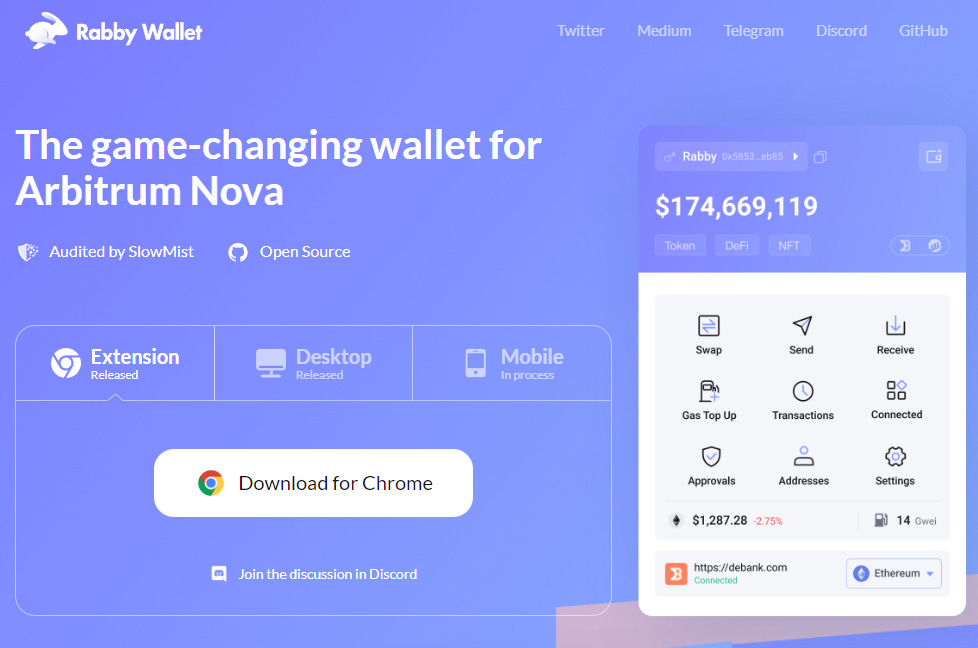
Download the wallet extension from a trusted source only. If you’re curious about a user-friendly, security-focused extension, check out https://sites.google.com/cryptowalletextensionus.com/rabby-wallet-download/ —I tried it and the permission prompts are clearer than many others, though nothing replaces cautious behavior.
There’s a pattern I watch for: people click approve when they’re pressed for time. So slow down. Pause. Read the allowance. If a contract asks to move unlimited tokens, that’s a red flag. Use the “approve minimal” option when available. Revoke approvals regularly. Tools exist to show active allowances; run them every month.
Hmm…
Phishing is subtle nowadays. Fraudulent dApps copy layouts and microcopy with uncanny accuracy. Developers sometimes put the “dangerous” button in a different color, which helps. On the flip side, attackers will mimic trusted names or social handles to lower your guard. So follow projects’ official channels carefully—prefer their website and verified Twitter/Discord links. And no, DM suggestions about “free airdrops” are almost never legit.
Longer-term hygiene matters. Keep your browser and extensions updated. Use a dedicated machine or VM for high-value activity if you can. Consider using a separate browser solely for DeFi—one profile for day trading, another for long-term holdings. That separation reduces blast radius when something goes wrong.
Here’s what bugs me about private key backups: people assume cloud sync is safe. It’s not. Even if your cloud is encrypted, malware on your device can harvest before encryption. Paper backups are low-tech and effective. A steel plate is better. Store backups in geographically separate places if you can. (oh, and by the way…) consider a trusted friend or safety deposit box for redundancy.
Whoa!
Transaction nonce manipulation, replay attacks, and sandwich bots are real problems for advanced users. If you’re doing complex interactions, simulate transactions on testnets first. Use “gas strategy” tools to avoid front-running. For most folks, avoiding low-liquidity, flash-royale trades reduces risk a lot.
Initially I thought “more features = safer” because options mean control. But then I realized complexity increases attack surfaces. So prefer tools that are secure by default. Simple UIs, explicit permission prompts, and clear logs help you understand what happened after the fact.
How Extensions Should Behave (and how you can force them to)
Wow!
Extensions should ask for minimal permissions. They should never request access to all sites unless strictly necessary. They should provide an activity log that is easy to parse. If your extension supports lock timers and passphrase-protected exports, enable them. If it supports hardware wallet integration, use it. If not, consider alternatives.
I like to think in scenarios. Say you get a suspicious popup while bridging assets. My mental checklist: (1) stop; (2) check the URL in another tab; (3) disconnect and reconnect with hardware; (4) review recent approvals. This checklist is not exhaustive, but it’s practical when your pulse is racing. Pulse racing is normal. Breathe.
FAQ — Quick answers
Is a browser extension wallet safe for large amounts?
Short answer: not ideal. Use a hardware wallet or multisig for significant holdings. Extensions are convenient for active trading and small allocations.
What if I accidentally approved a malicious contract?
Revoke the allowance immediately with an approvals tool, move funds to a hardware-secured wallet, and consider consulting the community or a security professional. Time matters, so act fast.
How do I pick a trustworthy wallet extension?
Look for clear permissions, frequent audits, open-source code, and active developer channels. Test with tiny amounts first. Ask around in reliable communities—Main Street neighbors won’t help here, but veteran crypto folks will. I’m not 100% sure about every project, so do your own research.